Ethylene Gas Explained: How Fruit Ripens and How to Speed It Up at Home
Leave a ripe banana next to a rock-hard avocado and by morning the avocado has started to give. Nothing visible has passed between them, yet something clearly has. That something is ethylene: a gas that plants use as a hormone, and the single most useful thing to understand if you want to ripen fruit on your own schedule rather than the supermarket's.
What ethylene actually is
Ethylene is a simple hydrocarbon gas. Plants produce it in tiny quantities, and it drifts through the air between fruits as well as through the fruit's own tissue. It acts as a signal: the seed inside is fully formed, so the fruit can now afford to become soft, sweet and fragrant. Ripening is the plant's way of advertising, and animals are the customers.
Once ethylene switches a fruit on, a chain of changes follows. Starches turn into sugars, acids mellow, the pectin holding cells together breaks down so the flesh softens, green chlorophyll fades, and new aroma compounds appear. That is why a hard pear can become perfumed and juicy without gaining a single gram of sugar from anywhere else.
There is one more thing worth knowing: ethylene is self-amplifying. A ripening fruit produces more of it, which ripens its neighbours, which produce more still. This is why a bowl of fruit seems to go over all at once, and why a paper bag works so well.
Which fruits ripen after picking, and which don't
Fruit falls into two rough groups, and the difference decides what you should buy and when.
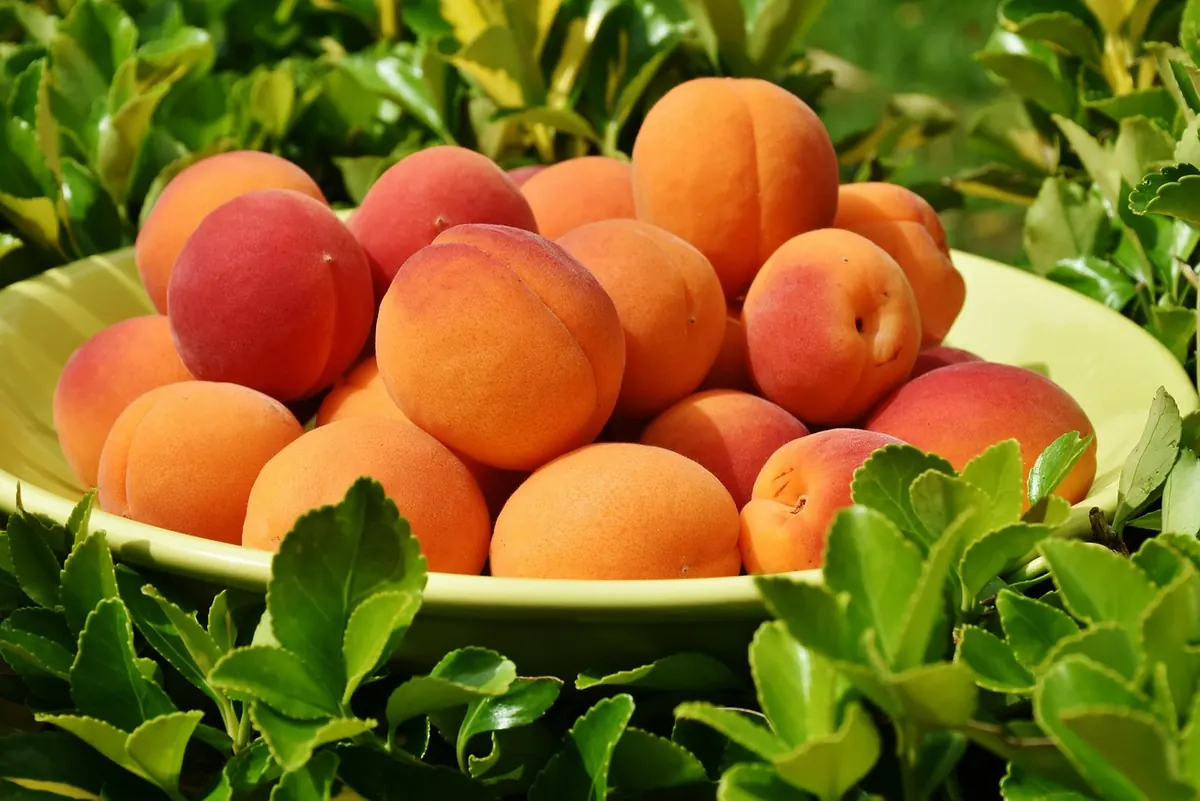
- Fruits that keep ripening at home: bananas, apples, pears, avocados, tomatoes, mangoes, peaches, nectarines, plums, apricots, kiwifruit, papaya, figs, cantaloupe melon and quince. These respond to ethylene after harvest, and some will ripen perfectly well on a kitchen counter.
- Fruits that stop when picked: strawberries, raspberries, blueberries, cherries, grapes, citrus, pineapple and watermelon. These will soften and eventually spoil, but they will not become sweeter or more fragrant. Buy them ripe and eat them soon.
So a punnet of pale strawberries left on the windowsill will not improve. A hard pear will. That single distinction prevents a lot of disappointment.
The biggest ethylene producers in your kitchen
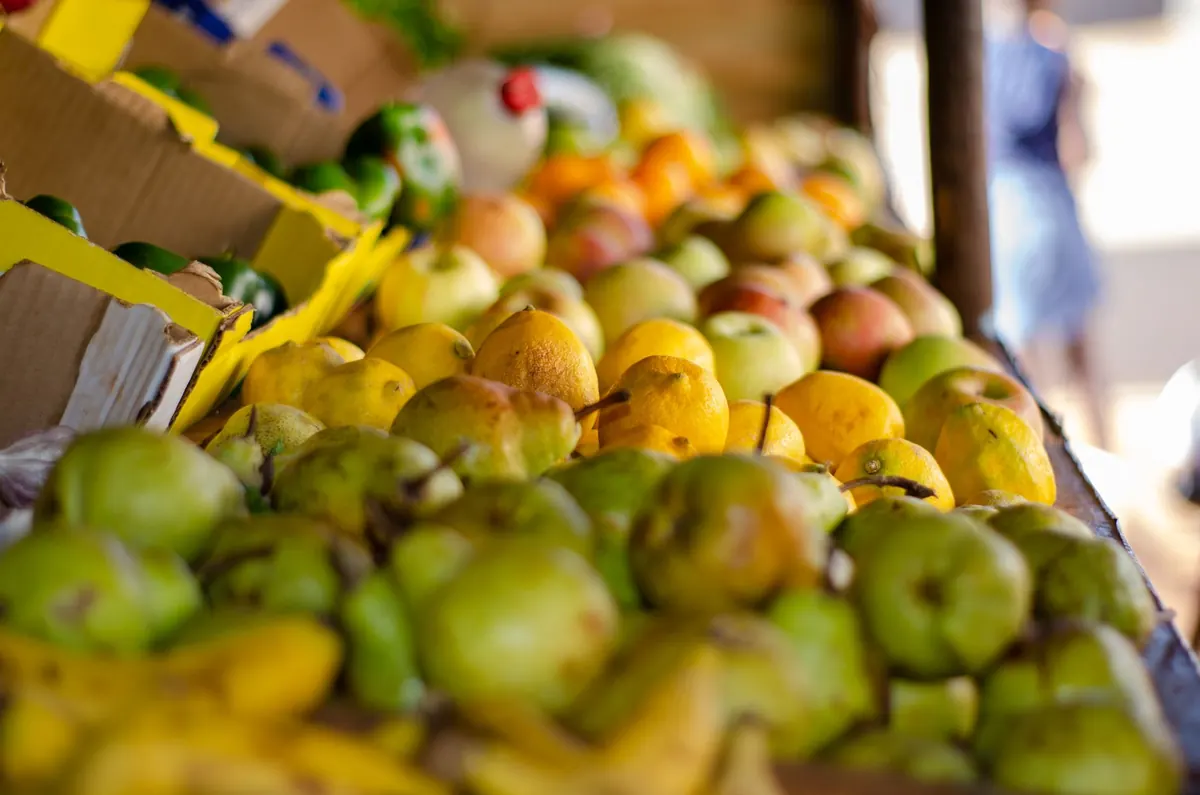
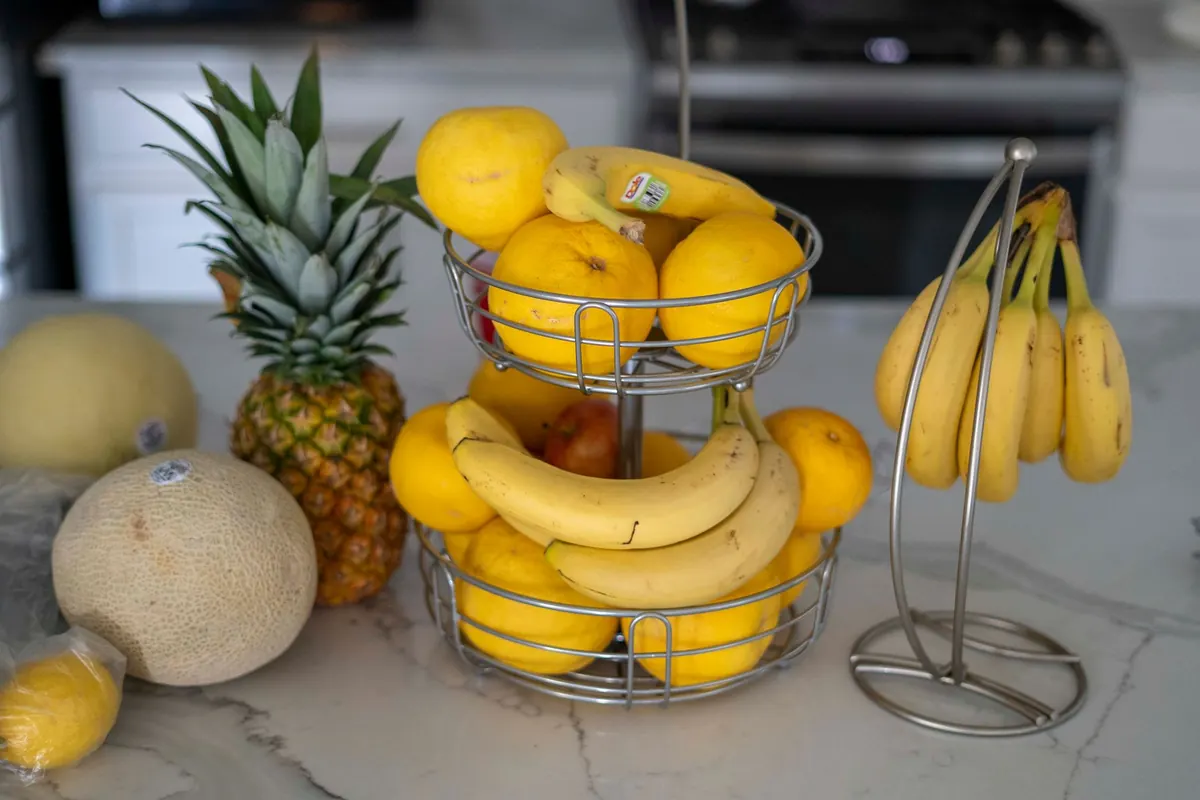
Some fruits are generous with their ethylene; others mostly sit there and take it. The heavy producers are apples, bananas, pears, avocados, tomatoes, mangoes, peaches, plums, kiwifruit and melons. A ripe apple in a fruit bowl is doing more work than you might think.
Kiwifruit and avocados are especially handy because they both produce ethylene and react strongly to it. Put one ripe avocado beside two hard ones and the whole group will move faster.
What ethylene damages
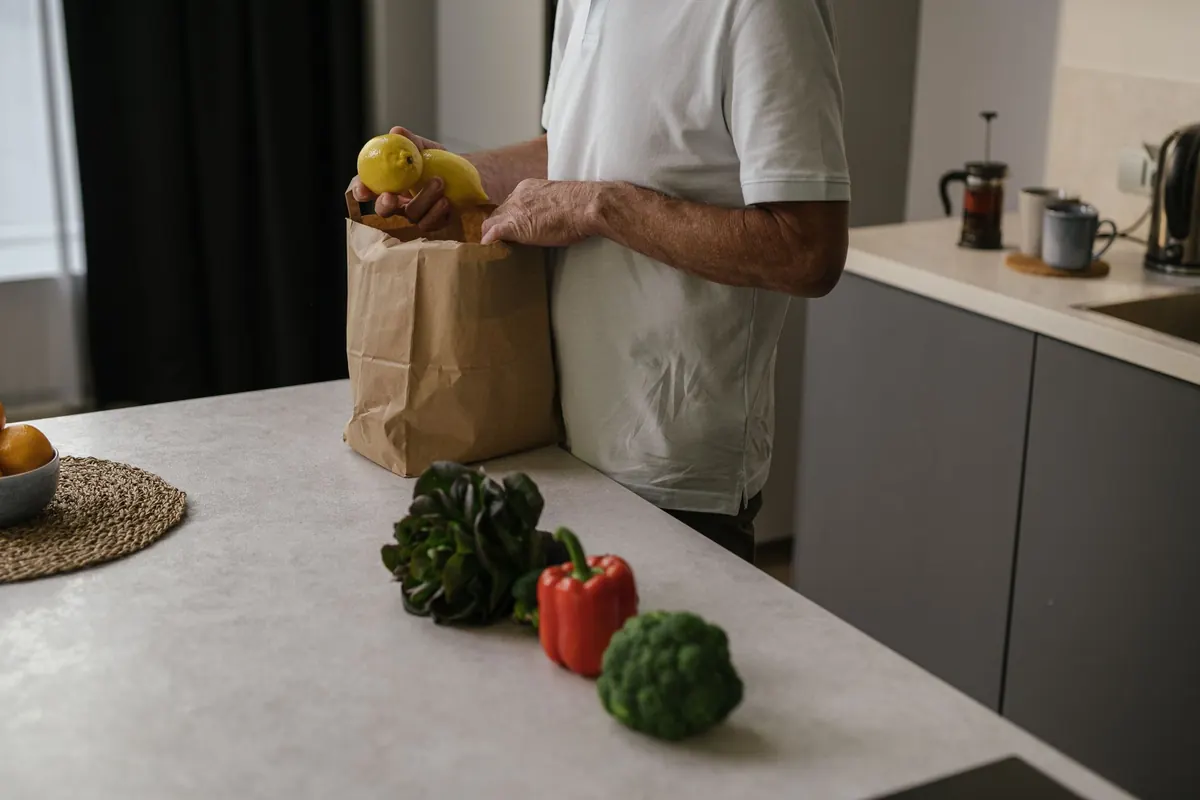
The same gas that ripens a peach will ruin your greens. If you store these next to a banana bowl, expect trouble:
- Leafy salads, spinach and herbs, which yellow and wilt
- Broccoli and cauliflower, which yellow and open
- Asparagus, which toughens
- Cucumbers, courgettes, peppers and aubergines, which soften and spot
- Carrots and potatoes, which turn bitter or start sprouting
- Cut flowers, which drop petals early
Fruit flies also follow ethylene, so a sealed bag of over-ripe bananas is an invitation.
How to speed up ripening at home
- Use a paper bag. It traps the ethylene the fruit is already making while letting a little air move. A plastic bag tied shut traps moisture too, which brings on mould rather than ripeness.
- Add a ripening partner. One ripe banana, apple or pear in the bag with your hard avocados, mangoes or tomatoes will noticeably shorten the wait.
- Keep it at room temperature. Warmth speeds the process, cold slows it. A cool 16–20°C is ideal; a spot directly above a radiator or on a hot sunny windowsill can cook the fruit instead.
- Check daily. Once a fruit gives slightly at the stem end, take it out. Leaving it in the bag is how you end up with a mushy avocado and a stained tea towel.
- Skip the rice. The old trick of burying fruit in a bowl of rice mainly keeps it out of the way. It does not generate ethylene, and the paper bag does the job better.
Timings vary with variety and starting firmness, but a hard avocado usually softens in one to three days in a bag with a banana, and a hard pear in two to four.
How to slow ripening down
Once fruit is ripe, the fridge becomes your friend. Cold slows ethylene production and the tissue's response to it. Bananas are the exception: refrigeration turns the skins black, though the flesh inside stays fine for baking. Whole tomatoes also lose flavour in the cold, so keep them out if you plan to eat them fresh.
Two other habits help. First, separate the producers from the sensitive items — apples and bananas away from salad leaves, cucumbers and broccoli. Second, let the fruit bowl breathe. An open bowl on the counter disperses ethylene; a lidded container concentrates it. Many fridge drawers now include a small ethylene-absorbing sachet, and if yours does, that is what it is for.
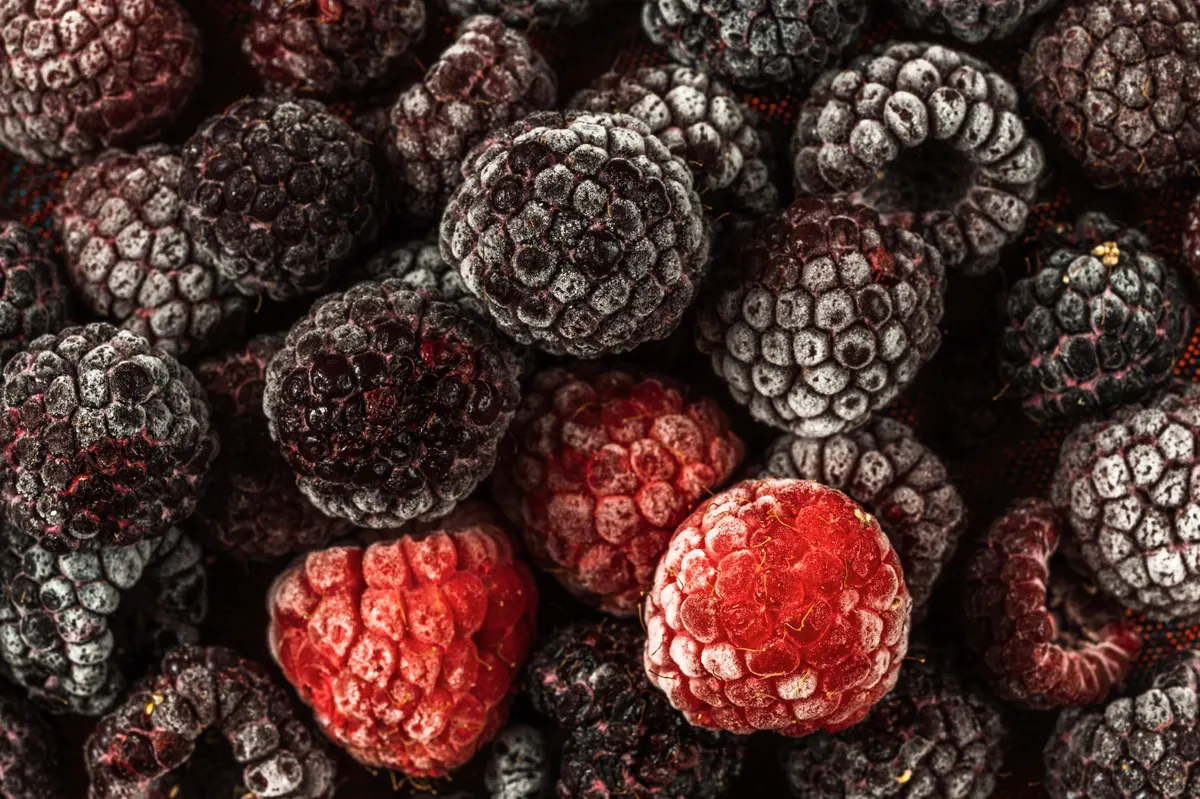
When you have more ripe fruit than you can eat, freeze it. Sliced bananas, mango chunks and stone fruit freeze well for smoothies, and berries freeze beautifully on a tray before bagging. If anything has started to grow fur, throw it out rather than trimming around it.
Your five-minute fruit bowl reset
Sort the bowl into three piles: ripe and ready to eat, hard and ripening, and sensitive vegetables that should not be anywhere near the rest. Bag the hard fruit with one ripe partner, leave the ready fruit out for today, and move anything you won't finish in a day or two into the fridge or the freezer. Then write nothing down — just repeat the sort when you next unpack the shopping. After a fortnight, you will notice you are wasting far less and eating fruit at its best far more often.
Photo: George Njukeng / Pexels