Month by Month: A Guide to British Seasonal Fruit
British fruit runs to its own calendar. It arrives in a rush — a few frantic weeks of cherries, a fortnight of greengages — and then it vanishes for another year. That brevity is the whole point. Fruit picked at its proper season and eaten within a day or two of leaving the tree tastes nothing like the year-round imports sitting beside it on the shelf. What follows is a month-by-month guide to what is genuinely at its best in the UK, how to tell when it is ready, and what to do when you have more than you can eat.
Winter: January to March
The first real treat of the year is Yorkshire forced rhubarb. Grown in darkened sheds, the stalks shoot up pale pink and tender, and the season runs from roughly January to March. Because it grows without light, it is sweeter and far less stringy than the outdoor crop that follows in summer. Roast chunks with a strip of orange zest and a spoonful of sugar at 180°C for fifteen minutes; the juice left in the tin is worth keeping for yoghurt.
Meanwhile, the apples you are still eating were picked in September. Properly stored Coxes, Egremont Russets and Bramleys keep for months in a cool, dark place, but they soften quietly. Press a thumbnail into the skin — if it leaves a dent, the apple is past its best raw and better off in a saucepan.
January also opens the citrus window. Seville oranges appear for a few weeks only, bitter and thick-skinned, and they are the reason marmalade is a January ritual rather than an all-year habit. Blood oranges follow close behind.
Spring: April to June
Late April and May belong to rhubarb and to the first strawberries, most of them grown under cover. Wait for open-ground fruit if you can: the flavour is deeper and the season runs properly from June into July.
Gooseberries arrive in June and are the most useful fruit of the month because they can be eaten at two completely different stages. Picked green and hard, they are sharp enough to make your ears ring and perfect for fool, crumble or jam. Left on the bush until they turn translucent and start to blush, they become sweet enough to eat raw by the handful.
Raspberries begin in June, and cherries follow towards the end of the month. The British cherry crop is short, often just six or seven weeks, and it rewards attention.
Summer: July and August
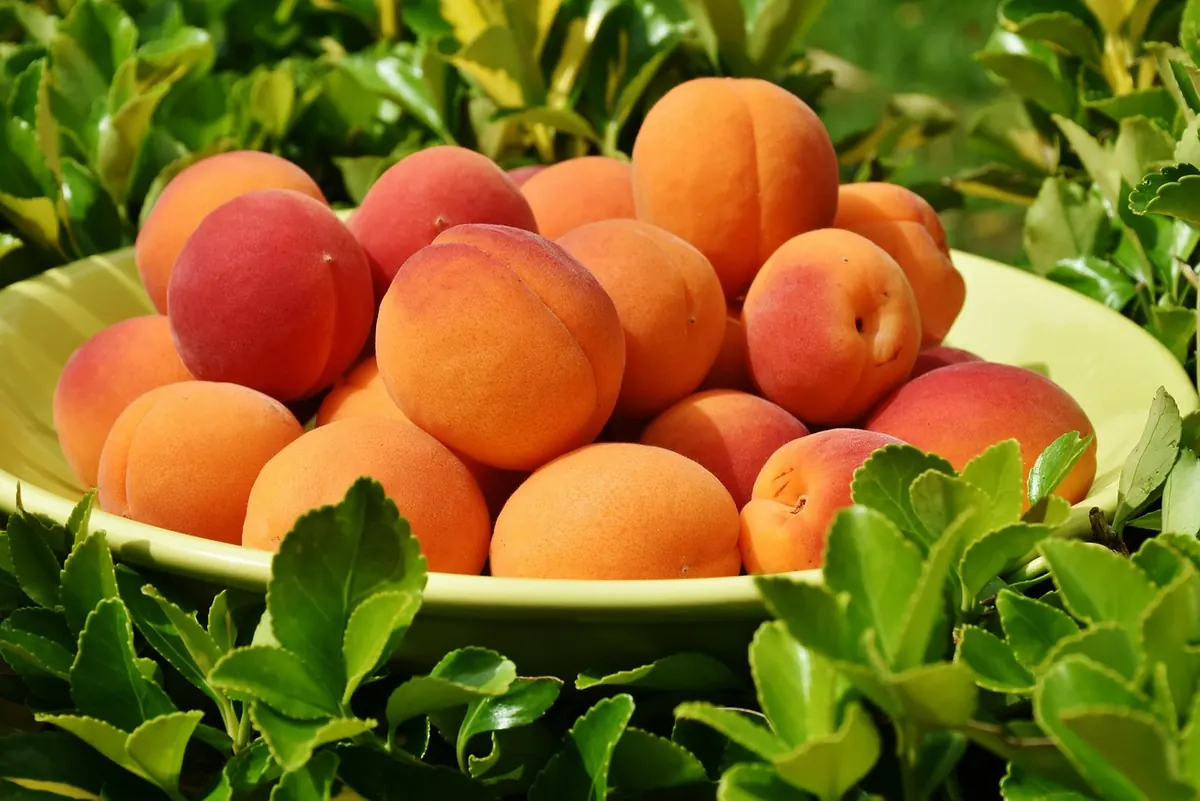
This is the glut. Strawberries, raspberries, blackcurrants, redcurrants, gooseberries, blueberries, tayberries and loganberries all overlap. Apricots, nectarines and the first plums appear, Discovery — the first decent British apple — is ready in August, and greengages have their brief, fragrant prime.
Two habits make this stretch easier. First, stop buying more soft fruit than you can eat in two days; it does not improve in the fridge. Second, do not wash berries until the moment you eat them. Damp fruit moulds within a day, dry fruit keeps for three or four.
If you are making jam, remember that pectin is highest in slightly underripe fruit. A handful of hard gooseberries or a small green apple added to strawberries will set a batch that would otherwise stay runny.
Autumn: September and October
Blackberries run from late August into September, and the best are usually the ones you pick yourself from hedges that have not been sprayed. Damsons, sloes and elderberries follow, and Victoria plums are at their peak. The maincrop apples arrive now, along with pears.
Pears: the fruit most people get wrong
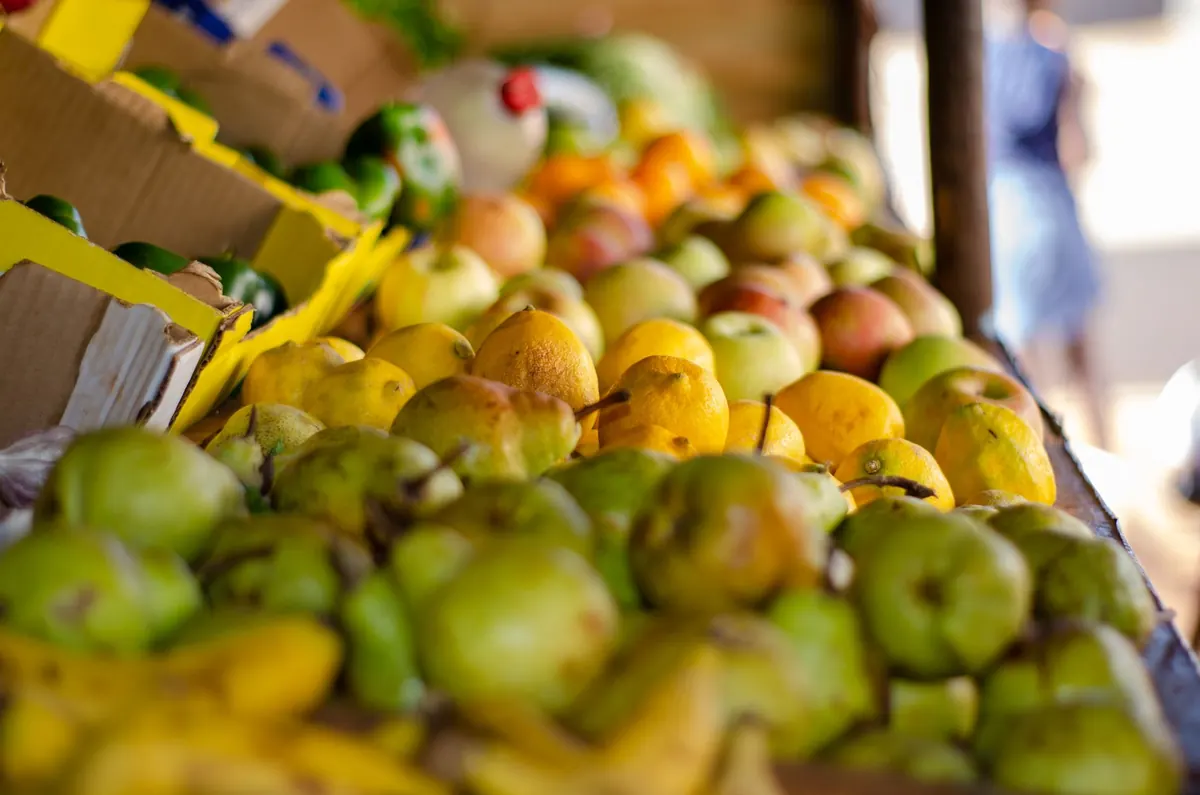
Pears ripen from the inside out, so one that feels soft all over in the shop is often already collapsing at the core. Buy them firm, leave them at room temperature and test the neck just below the stem — when that gives slightly, the pear is ready. Eat it within a day or two.
Windfalls and bruised fruit are not waste. Core and chop them for chutney, or stew them and freeze in portions.
Early Winter: November and December
Quince appears in November: hard, lumpy and inedible raw, but turning deep rose and honeyed when cooked slowly with sugar. Medlars need to blet — leave them in a cool place until they are soft and brown, then scoop out the pulp and eat it with a spoon. It is an acquired pleasure, and worth acquiring once.
By December most of what you are eating is stored or imported, which is fine. Forced rhubarb returns after Christmas, and the cycle begins again.
How to Tell Fruit Is Ready
Labels give you a date; your senses give you a better answer. Cues worth trusting:
- Smell first. Ripe peaches, strawberries and melons smell like themselves before you touch them. If there is no scent, there is rarely any flavour.
- Weigh it in your hand. A good apple, plum or orange feels heavy for its size — a sign of water and sugar rather than dry, woody tissue.
- Press in the right place. On peaches, nectarines and plums, the shoulder near the stem should give slightly; the middle should stay firm.
- Check the base of the punnet. Stained paper or juice in the corner means the bottom layer has been sitting crushed and will mould first.
- Look at rhubarb stalks. Slim, glossy and flexible is what you want. Thick, woody stems stay stringy however long you cook them.
- Treat pears differently. Buy firm and ripen at home; a pear that is soft on the shelf is usually past saving.
Hard stone fruit ripens well in a paper bag on the counter with a banana, which gives off ethylene and speeds the process. Keep that bag away from fruit you want to last, and move everything to the fridge once it is ripe.
Making the Most of a Glut
Seasonal fruit does not wait, and neither should you. When a crop peaks, quality rises and prices fall: shop at the end of a market day, ask growers what is at its best, and pick your own where you can.
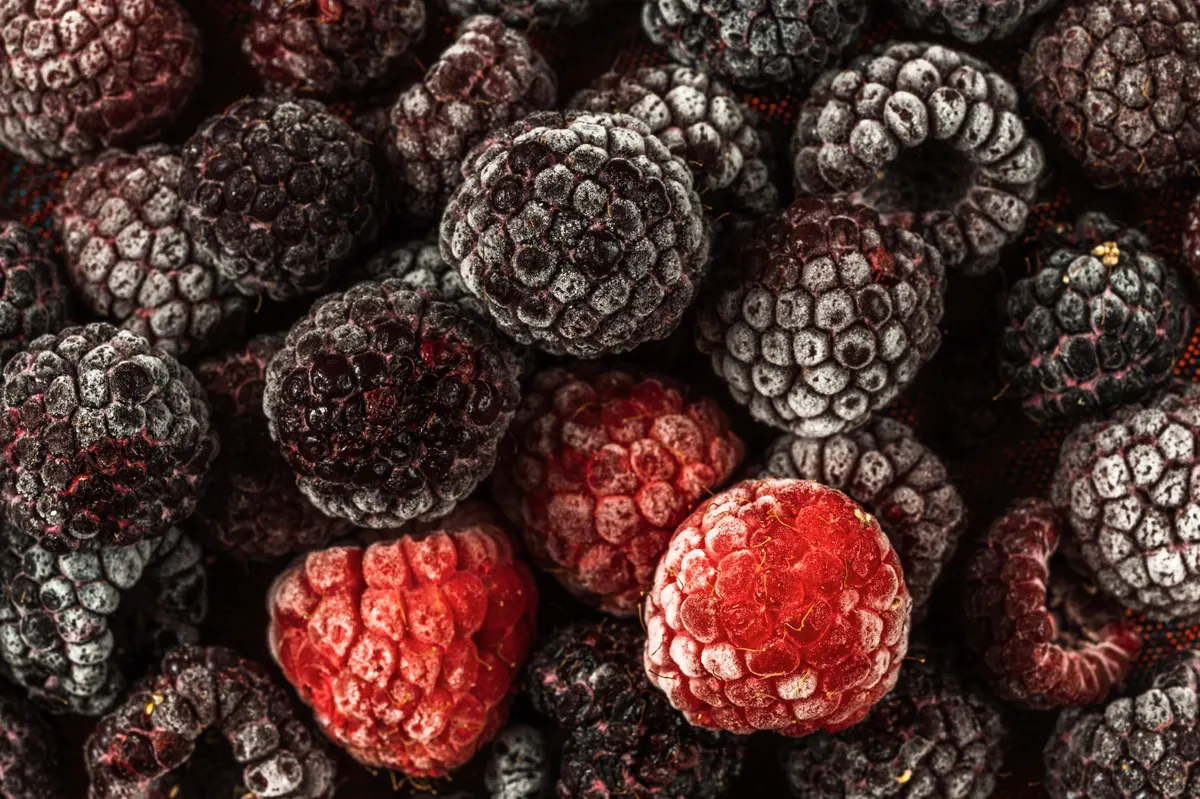
For freezing, spread berries in a single layer on a tray, freeze until solid, then bag them. They will not stick together and they thaw for smoothies and crumbles without turning to mush. Rhubarb freezes well raw in chunks, while stone fruit is better stewed first with a little sugar, then frozen in tubs.
And if you have more than you can use, cook it: apple sauce, chutney, cordial, jam. A morning spent over a pan in August is a January worth looking forward to.
Photo: Steward Masweneng / Pexels