Freezing Ripe Fruit: A Beginner's Guide to Bags, Purées and Portions
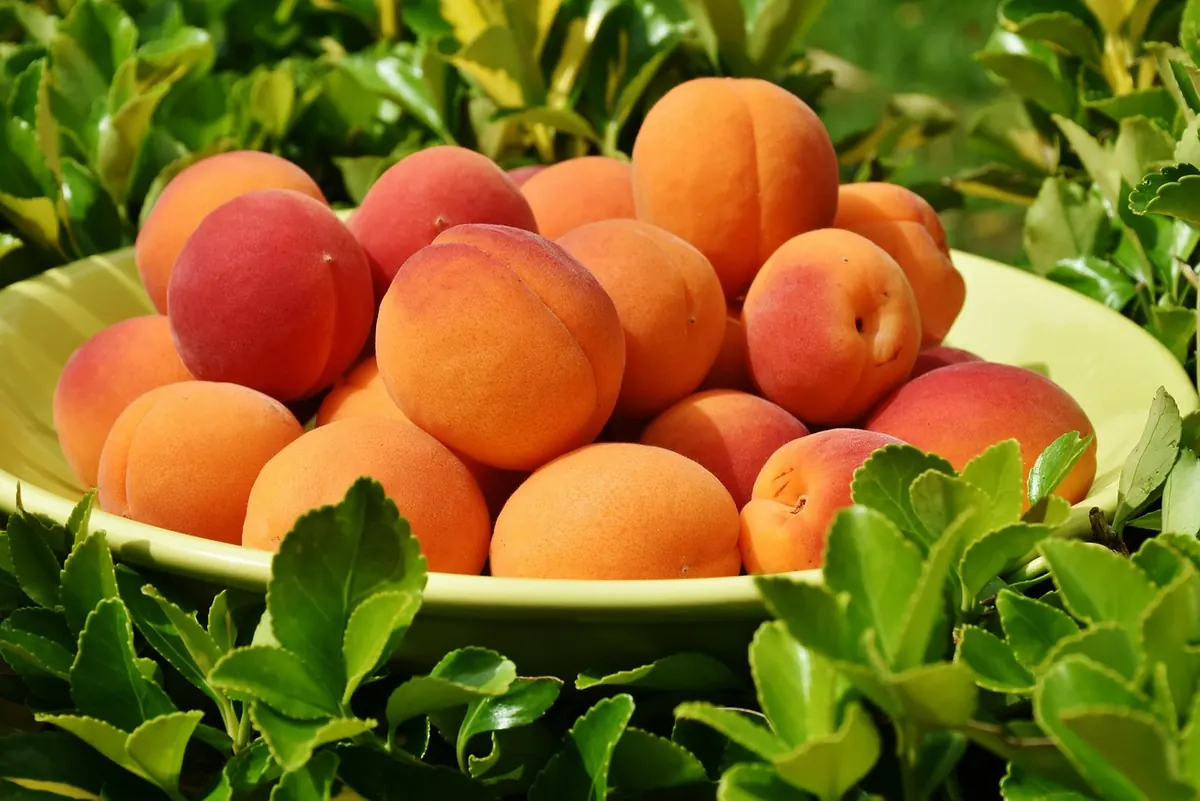
Ripe fruit does not wait. One day the peaches are perfect, the next they are collapsing in the bowl and you are weighing up crumble, jam or the bin. The freezer is the third option, and usually the best one — provided you treat it as a method rather than a dumping ground.
Freezing ripe fruit is really three techniques wearing the same coat: loose-frozen pieces in bags, purées in trays, and portion bags sized for a single use. Get the preparation and the packing right and most fruit comes out of the cold tasting recognisably like itself.
What Freezes Well, and What Changes
Almost any ripe fruit can be frozen. The question is what you plan to do with it afterwards, because freezing changes texture. Ice crystals push through cell walls, so fruit that was crisp or juicy comes out softer and wetter. That matters enormously in a fruit salad and hardly at all in a smoothie.
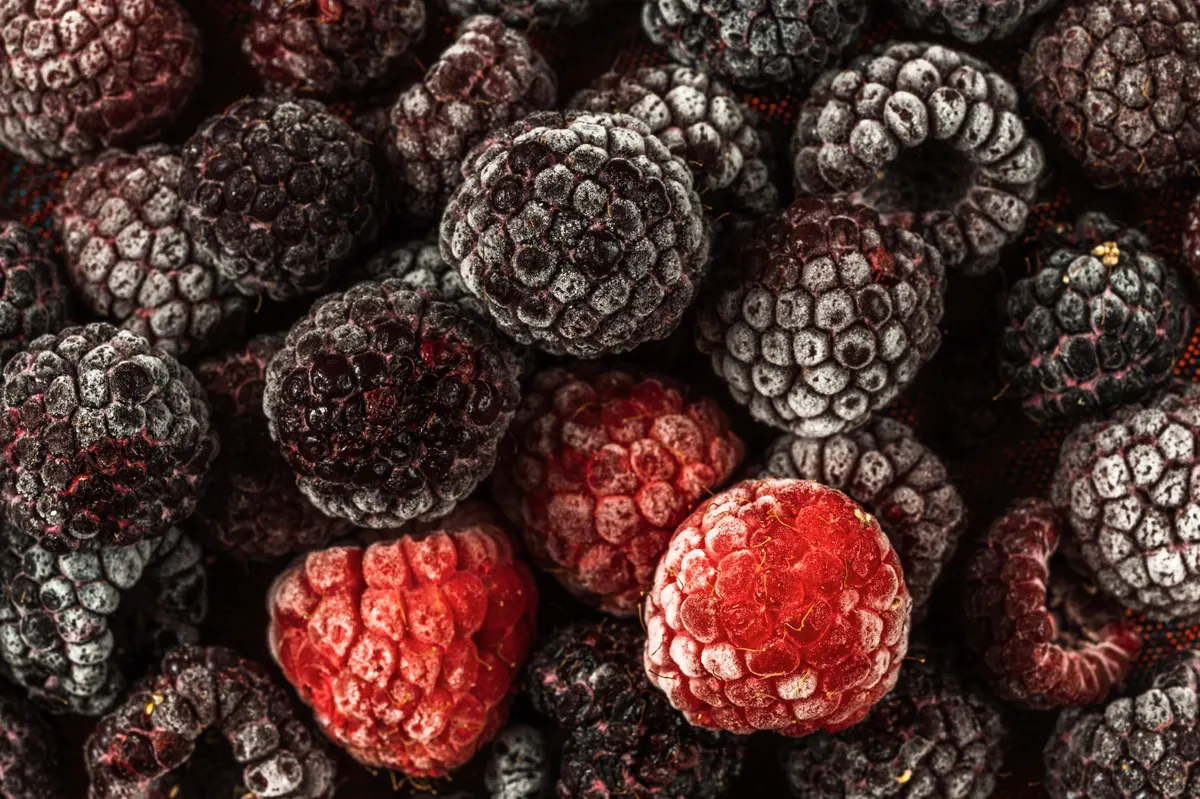
Good candidates include berries, cherries, currants, rhubarb, plums, peaches, nectarines, mango, banana and pineapple. Grapes are excellent eaten straight from the freezer, which makes them a useful thing to have on standby.
Trickier characters: melon and watermelon turn to slush, fine in drinks but disappointing on a plate. Citrus segments fall apart; freeze the juice and zest instead. Apples and pears soften noticeably but cook beautifully. Avocado needs puréeing with lemon juice the moment it is ripe, or it browns.
Freeze fruit at its peak, not once it is fermenting. A slightly overripe peach is ideal. A mouldy strawberry will taint an entire bag.
Preparation: Ten Minutes That Decide Everything
Wash fruit and then dry it properly. Surface water freezes into a solid block, and blocks are hard to portion. Spread berries on a tea towel and pat them dry.
Prepare fruit the way you would for eating: hull strawberries, stone cherries and plums, peel peaches (a short dip in boiling water makes the skins slip off), peel and slice bananas, cube mango. Cut everything to a similar size so it freezes and thaws evenly.
Two optional additions are worth knowing about:
- Sugar — a tablespoon or two per 500g, tossed gently through sliced fruit, holds colour and flavour and keeps pieces from welding together. Skip it if you are blending later.
- Lemon juice — a squeeze over apples, pears, bananas and avocado slows browning without changing the taste much.
Add either once the fruit is prepared, and stir gently. Crushed fruit freezes into a mush that never quite recovers.
Bags: The Tray-Freeze Method
Freezing pieces loose and bagging them afterwards is the single most useful trick in this whole process. It gives you free-flowing fruit you can scoop by the handful rather than a frozen brick you have to hack at with a knife.
- Line a baking tray with greaseproof paper or a sheet of cling film.
- Spread the prepared fruit in a single layer, pieces not touching.
- Freeze for two to four hours, until the pieces are firm.
- Tip into freezer bags, press out as much air as you can, seal and label.
- Return to the freezer laid flat until solid, then store however you like.
If the fruit is destined for cooking or smoothies, you can skip the tray and bag it directly — but spread it flat in the bag first, so it freezes as a thin sheet you can snap pieces off. Squeeze the air out by rolling the bag from the base upwards. Label with contents and date; mixed fruit tells you nothing in March.
Purées: The Most Forgiving Route
Puréeing sidesteps the texture problem altogether. Blend ripe fruit until smooth, adding a tablespoon or two of water if it refuses to move. Sieve raspberries, blackberries and mango for a silky finish, or leave the seeds in for something rougher and more rustic. A little lemon juice or sugar balances the flavour.
Portion purée into ice-cube trays for small additions, or into small tubs and flat bags for larger amounts. Leave a centimetre of headroom in rigid containers, because purée expands as it freezes. Once the cubes are solid, tip them into a bag so they do not pick up freezer smells.
Portioning for How You Actually Eat
Think about the end use before you seal anything, and let that decide the size:
- Smoothies: 100–150g bags of mixed fruit, one per drink.
- Yoghurt and porridge: ice-cube portions of purée, two or three at a time.
- Crumbles, pies and muffins: 500g bags, fruit already sugared.
- Garnish: grapes and berries frozen loose, kept in a small bag near the front.
Portion small. You can always take two bags out, but you cannot put half a block back.
Thawing Without Losing Flavour
Thaw overnight in the fridge, in a bowl, with the bag sitting on a plate. The fruit will release liquid, and that juice is where a good deal of the flavour lives — keep it and stir it back through. Berries headed for yoghurt need only twenty minutes on the counter, still firm in the middle.
For baking, use the fruit straight from frozen. It will drop the oven temperature slightly, so add a few minutes to the cooking time and a little extra thickener to pies. And do not refreeze thawed fruit. If you have thawed more than you need, cook it into a compote and freeze that instead.
A Routine Worth Keeping
When fruit is at its peak, give it ten minutes rather than an hour of project. Dry and trim it, tray-freeze one batch, purée the soft ones, bag everything with a date, and move the oldest bags to the front where you will see them. Aim to use frozen fruit within three to six months while the flavour is still bright; keeping it longer is safe, but the taste goes flat and freezer burn creeps in around the edges. Write the dates, keep the portions small, and the freezer stops being the place where fruit goes to be forgotten.
Photo: Jana Ohajdova / Pexels