How to Store Apples So They Stay Crisp for Weeks
An apple that snaps when you bite it is a small everyday pleasure, and it is almost entirely within your control. Leave a bag of them in the fruit bowl and they will soften within days. Treated properly — kept cold, kept apart, and kept dry on the outside — the same apples can still be crisp weeks later.
Apples are built for storage. Unlike soft fruit, they carry on ripening after picking, and cold slows that process right down. Here is how to work with that rather than against it.
Why the fruit bowl shortens an apple's life
Two things happen on a warm windowsill. Heat speeds up respiration, so the apple uses up its own sugars and starches and the flesh turns soft and mealy. At the same time, every apple gives off ethylene, a natural ripening gas that encourages its neighbours to do the same. A full bowl keeps itself ripening, and a bruised fruit releases far more ethylene than the rest.
Bruises matter more than they look, too. A small brown mark is an open door for mould, and by the time you spot rot it has usually reached the apples touching it. The old line about one bad apple is genuinely useful storage advice.
Start with apples worth storing
Only sound fruit keeps well. Anything with a cut, a soft patch, a broken stalk or a maggot hole should be eaten first, not tucked away for later.
Variety matters as well. Late-season, thick-skinned apples — Bramley, Egremont Russet, Cox's Orange Pippin, most traditional keepers — hold their texture far longer than early varieties such as Discovery, which are best eaten within a week or two of picking. If you grow your own, leave the fruit on the tree as long as you can without it dropping, and pick with the stalk intact; pulling the stalk out leaves an open wound. Shop-bought apples have usually spent time in cold storage already, so their clock is further along than it looks.
Temperature: the biggest difference you can make
The fridge
For most of us this means the fridge. Apples are happiest just above freezing, around 1–4°C, which is roughly what a salad drawer gives you. Count them in days on the worktop and weeks in the fridge — the difference is not marginal. Keep them away from the back wall if your fridge runs very cold there, because fruit that freezes and thaws turns to mush, and never store them in the door, where the temperature swings every time it opens. If your fridge has an adjustable humidity drawer, set it high for apples and keep the vent closed; the aim is damp air, not wet fruit.
Sheds, garages and cellars
An unheated garage or shed can work in the depths of winter, but British weather swings, and a mild spell will wake the fruit up. A dark, steady cellar or stone outbuilding is better. Frost is the enemy throughout: apples that freeze solid do not recover. A cheap max-min thermometer takes the guesswork out of it — if the space drops below 0°C or climbs above 8°C, move the apples somewhere more stable.
Wrap, separate, and give them room
Wrapping each apple is the most effective trick here, and it takes only a few minutes. A sheet of newspaper twisted shut around each fruit does three jobs: it soaks up small amounts of moisture, cushions knocks, and puts a physical barrier between one apple and the next so mould cannot spread. Kitchen paper works too, as does a cardboard tray or an old egg box in a pinch.
Equally important is what they sit beside. Keep apples away from:
- bananas, avocados, tomatoes and other ripening fruit, which push ethylene levels up around them
- potatoes, which sprout faster near apples
- onions, garlic and anything strongly scented, because apples take on smells through the skin
Short of fridge space? A paper bag in the salad drawer beats a bowl on the worktop every time. Avoid sealed plastic bags, which trap moisture and invite mould; if plastic is all you have, punch a few holes in it first.
Humidity, washing and the mealy problem
Apples lose water through their skin, and a dry atmosphere is what leaves them soft and woolly. You want humidity without standing water trickling over the fruit. Lining a box with newspaper, or adding a slightly dampened sheet of kitchen paper, helps; a sealed, dripping bag does not.
Resist washing apples before storage. Rubbing off the natural bloom — the faint dusty coating on the skin — removes some of the fruit's own protection, and any moisture left behind in a stalk cavity or around the calyx can encourage rot. If an apple is muddy, wipe it with a dry cloth rather than rinsing it, and let any fruit you do wash come to room temperature and dry thoroughly before eating.
The weekly check — and how to spot trouble early
Stored apples are not a set-and-forget crop. Once a week, open the boxes or drawers and look for fruit that has gone soft, shrivelled, or developed a brown patch. Remove anything suspect immediately; one rotting apple can taint the air around it and speed up its neighbours. This is also the moment to eat the smallest or least perfect apples first, saving the best keepers for last.
Signs an apple is still good: firm to the touch, bright skin, no soft spots around the stalk. A slight wrinkle means it has lost moisture — fine for cooking, less pleasant raw. A truly mealy apple will feel light for its size and taste dry, even if it looks fine. If you catch a single bruised apple early, cut away the damage and use it at once; do not return the cut fruit to storage.
Long-term storage: boxes, clamps and old-fashioned methods
If you have a real harvest, single-layer wrapping in shallow wooden or cardboard boxes is the classic method. Stack the boxes so air can move between them, and keep them off concrete, which draws moisture. In older gardens, apples were often stored in a clamp — layers of fruit and dry straw under earth — but that suits cool, steady climates and is hard to get right in a wet winter. For most homes, a fridge plus a few wrapped boxes in a cool garage is more reliable.
Another option is to store apples in clean, dry sand or dry peat in a cool cellar, with each fruit separated. The idea is the same as wrapping: cushioning, moisture control, and no fruit touching another. Check any such store monthly, and remove any fruit that has started to soften.
Keep them cold, keep them separate, and keep an eye on them. That is most of apple storage.
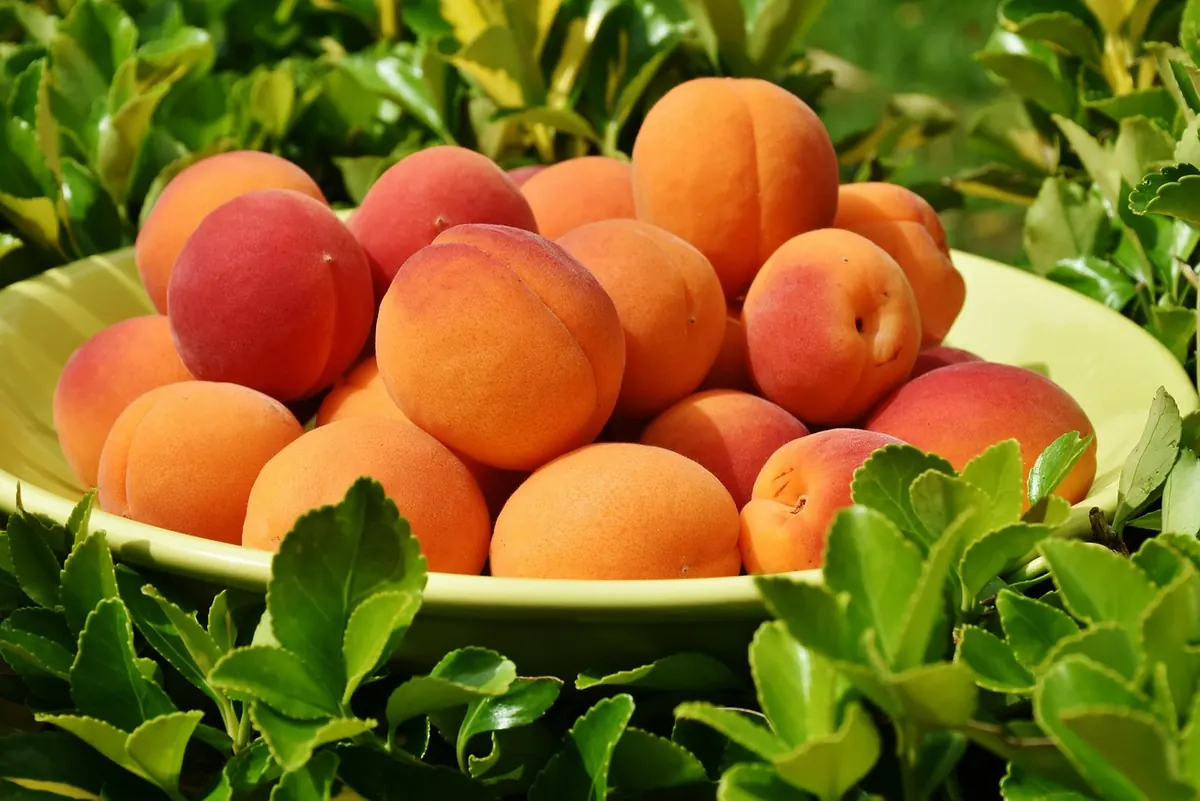
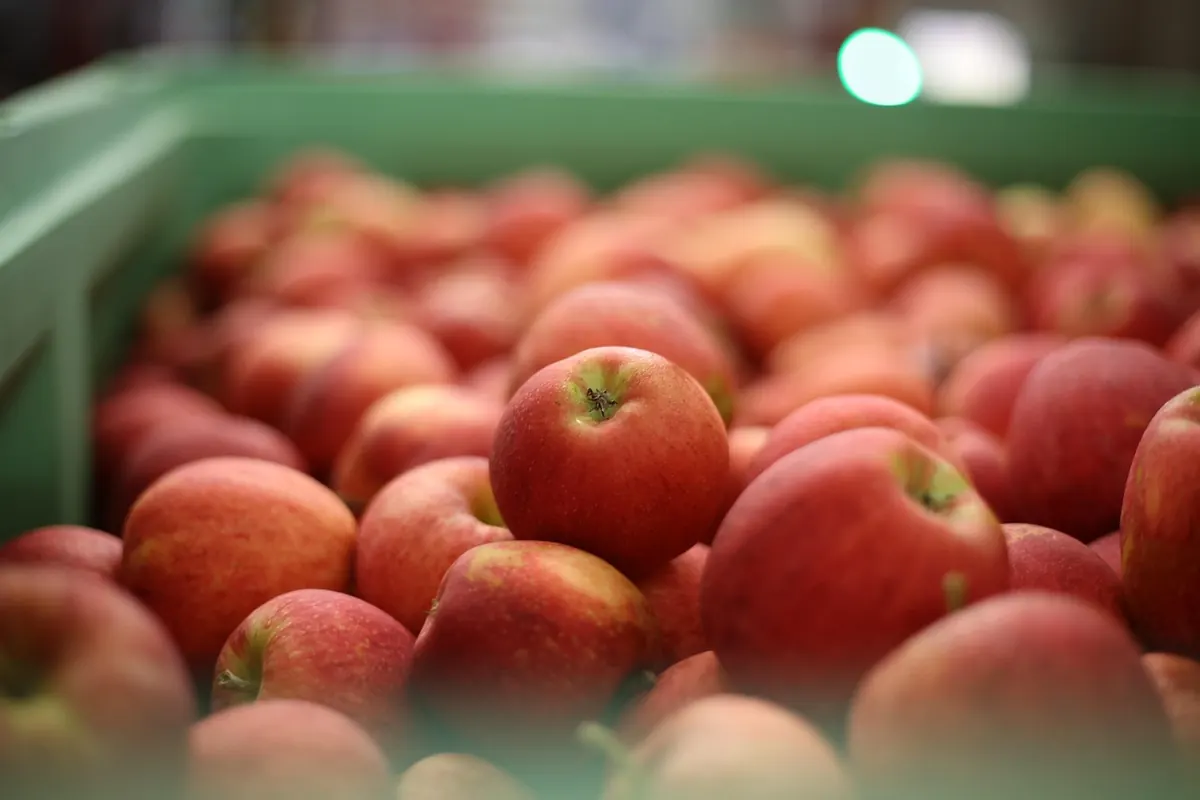
Photo: Jai79 / Pixabay