Is It Ripe? A Quick Checklist for 10 Everyday Fruits
You can spend years guessing, or you can learn three tests and use them in the right order. Most fruit tells you it is ready before you press it: the nose gets there first, the palm confirms it, and the eyes only have the final word. Here is what to check on the ten fruits that turn up in British shopping baskets week after week — from avocados to strawberries — plus a few honest exceptions where the usual tests are a waste of time.
Smell first, feel second, colour last
Ripening is a chemical process. Starches turn to sugars, acids fade, and aroma compounds build up. Your nose detects that change long before your eyes do, which is why the order matters.
- Smell. Hold the fruit to your nose, ideally at the stem end where the aromas collect. No smell usually means no flavour yet. A sweet, full smell means it is ready or close to it.
- Feel. Use your whole palm, not your fingertips. Fingertips bruise; a palm tells you whether the fruit gives evenly. Press gently near the stem, where ripening starts first.
- Colour. Treat colour as a tiebreaker, not a verdict. Varieties differ, lighting in shops flatters everything, and some fruits colour up long before they ripen inside.
Learn those three and you can judge almost anything on a shelf in about five seconds. The rest is knowing which fruit leans on which test.
Strawberries and plums
Strawberries are the one soft fruit that will not improve much after picking, so what you buy is close to what you get. Look for even, deep red all the way up to the calyx — the leafy cap. White or pale green shoulders mean it was picked early and will stay sharp. Smell the top of the punnet; ripe strawberries smell sweet and faintly floral. Feel for firmness with a slight give, and check underneath for damp patches.
Plums are more forgiving. A dusty white bloom on the skin is natural and a good sign — it wipes off, it is not mould. The fruit should feel taut but yield a little under your thumb, and a ripe plum smells sweet at the stem end. Do not wait for a specific colour: a Victoria stays greenish-yellow, while other varieties go almost black, and both can be perfect.
Peaches and nectarines
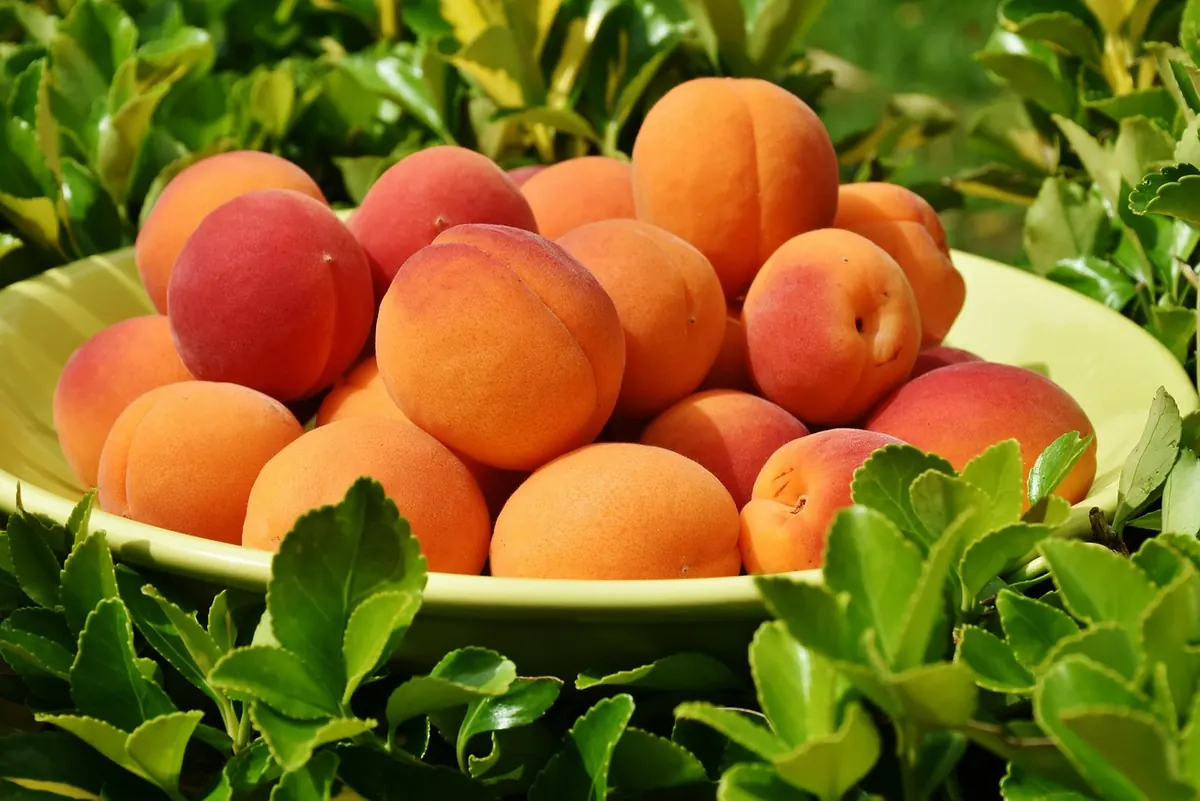
This is where the smell test earns its keep. Cup a peach in your hand and sniff the stem end. If it smells of nothing, it will taste of nothing — no amount of time on your windowsill will fix fruit picked too early. If it smells sweet and peachy, buy it.
For feel, press gently next to the stem. A slight give means it is ready in a day or two; a soft give means eat it today. For colour, ignore the red blush — that is variety and sunshine, not ripeness. Look instead at the background colour, the part that faced away from the sun. When it shifts from green to gold or cream, the fruit is genuinely ripe. A hard green ring around the stem is the giveaway that it was picked early and will stay woolly.
The four that fool everyone
Avocado
Flick off the small cap at the stem end. Green underneath means ripe or nearly there; brown means over the hill; pale and dry means it has a way to go. Then hold it in your palm and squeeze gently — the whole fruit should give like a ripe peach, not just one soft patch. Skin colour helps with Hass but not with the green-skinned varieties.
Mango
Smell at the stem end: sweet notes mean ready. Feel it like an avocado. Skin colour tells you very little, since the red flush comes from sun exposure rather than sugar.
Pear
Pears ripen from the inside out, so a pear that feels hard in the hand can already be soft and grainy at the core. Test the neck just below the stem. If it gives there, it is ready. Once ripe, move it to the fridge to hold it.
Kiwi
Again, use your palm. A ripe kiwi gives evenly and smells sweet at the stem end. Firm ones are fine to buy — leave them in a bowl for a few days, and add an apple or a banana to speed things up.
Bananas, tomatoes and melons
Bananas
Colour is a reliable guide here. Yellow with green tips is the sweet spot for eating within a couple of days; fully yellow is today's toast; speckled is sweet and ideal for baking. Buy them in mixed stages rather than all the same shade.
Tomatoes
Sniff the stem end — a ripe tomato smells of tomato. It should feel heavy for its size and give slightly all over. Ignore the deep uniform red of some supermarket fruit, which often comes from chilling and variety rather than ripeness. Never refrigerate tomatoes: cold dulls the aroma compounds that make them worth eating.
Melons
Press the blossom end, opposite the stem. A slight spring means ready. A cantaloupe should smell sweet there too, and a gentle tap should sound hollow rather than dull. Galia and honeydew are subtler: look for the skin shifting from green to creamy, and a faint sweet smell.
Fruit you can stop testing
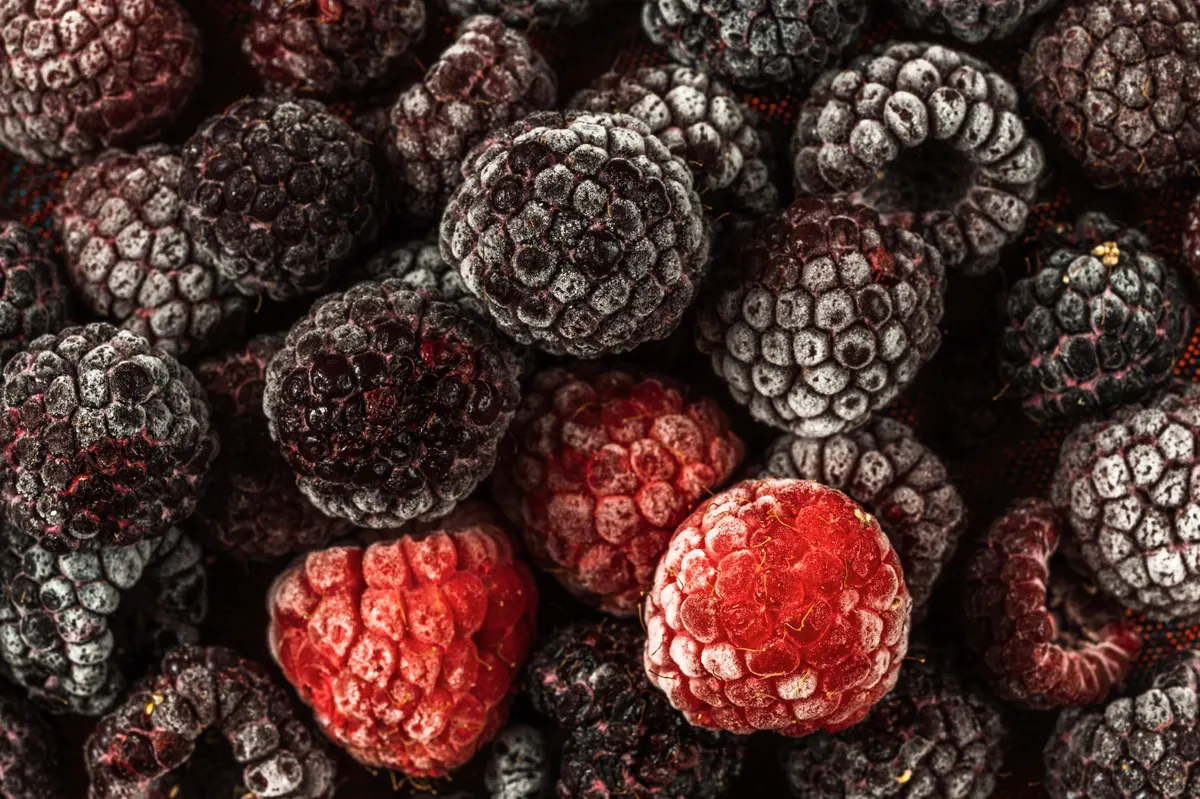
Apples and citrus do not ripen after picking in any meaningful way — apples soften, they do not sweeten, and oranges simply keep. Buy firm, heavy fruit with unblemished skin and judge by weight and firmness rather than colour. Blueberries should have a dusty bloom and a slight give; raspberries should slide off their core easily, leaving it behind in the punnet.
A two-minute routine at the shop
- Smell before you squeeze. If it smells of nothing, put it back.
- Press with your palm near the stem, gently.
- Check the background colour, not the blush.
- Buy a mix: one ripe for tonight, one firm for later in the week.
- At home, ripen on the counter and refrigerate once ready — except bananas and tomatoes, which stay out.
One habit is worth more than any gadget: a paper bag with a banana in it will ripen an avocado or a peach overnight, and the fridge will put the brakes on the moment things go your way. Get into the routine of smelling first, and you will throw away far less fruit.
Photo: Diana ✨ / Pexels